


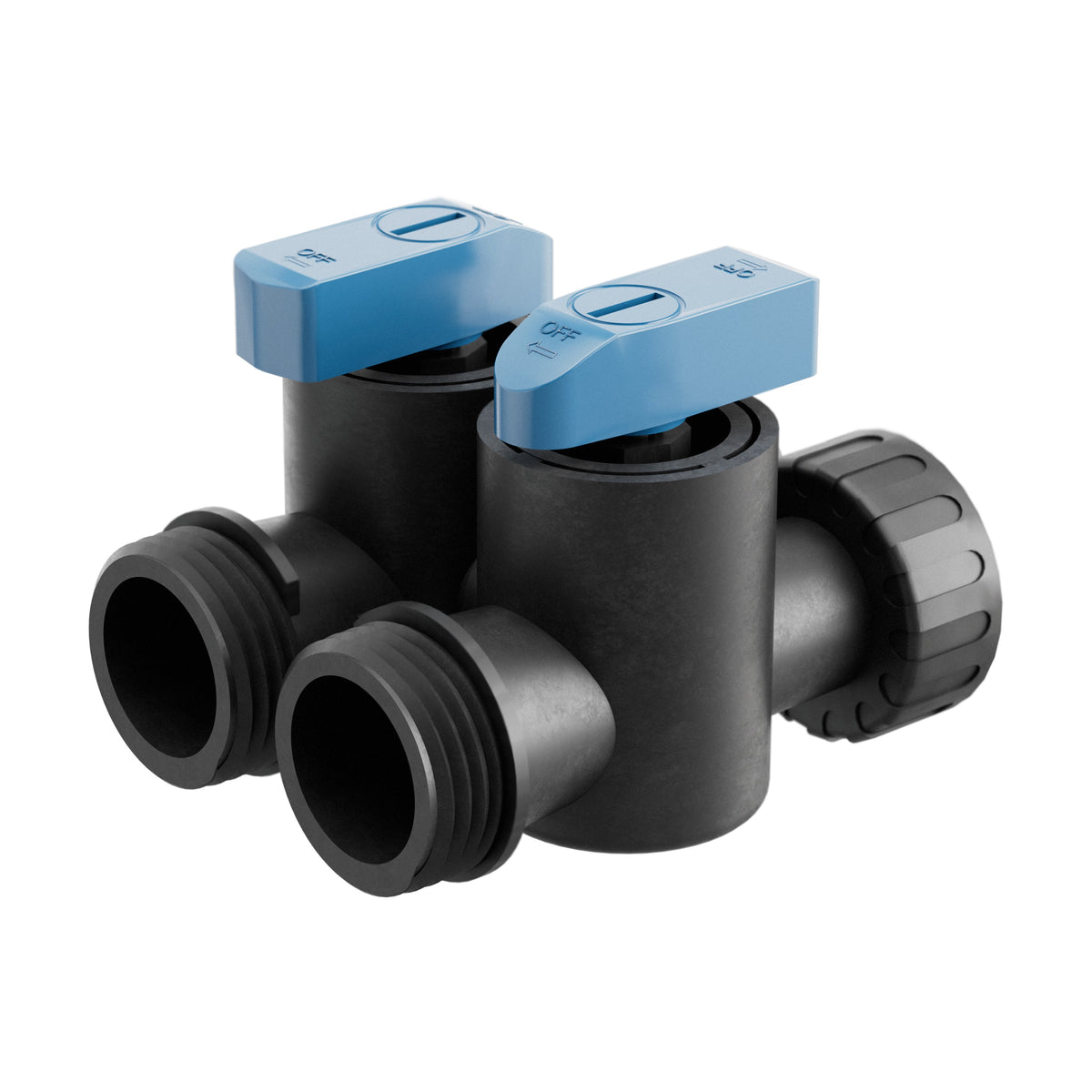
Most homeowners install a water softener and never think about the bypass valve again until something goes wrong or a task calls for shutting off treated water temporarily. This small component sits quietly near the main unit, ready to reroute your home's water supply around the tank whenever needed. Understanding a water softener bypass valve isn't complicated, but skipping this step during maintenance or an emergency can lead to wasted salt, damaged resin, or a flooded utility area.
Whether you're prepping for a repair, watering the lawn, or getting ready for guests who don't need softened water for outdoor use, knowing how this valve works keeps your system protected and your routine simple.
What a Bypass Valve Controls
A bypass valve sits between the inlet and outlet ports of your softener, typically mounted right on or near the control head. It has three basic positions: service, bypass, and sometimes a closed or off setting depending on the model. In service mode, water flows through the resin tank as normal, getting treated before reaching your faucets.
Switching to bypass mode reroutes incoming water around the tank entirely, sending untreated water straight into your home's plumbing. This means no softening happens during bypass, but your water supply continues flowing without interruption. Some valves also include a fully closed position, which shuts off water to the softener completely, useful when you need to work directly on the unit without any flow at all.
When You Should Use the Bypass Valve
There are several situations where switching to bypass makes sense, and knowing them ahead of time saves confusion later.
- Before performing any repair or maintenance on the resin tank, valve, or control head
- When watering outdoor plants or lawns, since softened water isn't ideal for most greenery due to sodium content
- During a vacation or extended absence, to reduce unnecessary regeneration cycles while no one's home
- If you suspect a leak or malfunction and want to isolate the softener while diagnosing the issue
- When filling a pool or performing a task that uses large volumes of water, to avoid straining the resin bed unnecessarily
Using bypass mode in these situations protects your system and keeps daily water use running smoothly without forcing the softener to work through tasks it wasn't built for.
How to Switch to Bypass Mode Correctly
The exact steps depend on your valve's design, but the general process stays consistent across most water softener systems installation setups. Locate the valve near the top of the control head, usually marked with clear service and bypass labels or arrows. Turn or push the valve handle to the bypass position, following the manufacturer's instructions printed on the unit or included manual.
Confirm water still flows to your faucets by running a tap, checking that pressure feels normal. When you're ready to return to normal softening, switch the valve back to service mode and allow a moment for the system to resume its regular cycle. Always avoid forcing a stuck valve, since excess pressure can crack the housing or damage internal seals.
Common Bypass Valve Issues to Watch For
Like any mechanical part, bypass valves can wear down or stick over time. A valve that won't turn smoothly often points to mineral buildup or a dried-out O-ring inside the housing. Leaking around the valve base usually means a worn seal that needs replacing rather than tightening.
If your softener seems to skip treatment even in service mode, double check the valve isn't accidentally left in a partial bypass position, which can happen if it wasn't fully turned during a previous adjustment. Catching these small issues early keeps the valve functioning properly and avoids bigger plumbing headaches down the road.
Why This Small Part Matters for System Longevity
A working bypass valve protects more than just your immediate water flow. It gives you a safe way to service, troubleshoot, or pause your softener without shutting off water to the entire house or risking damage to the resin bed from unexpected pressure changes.
Homeowners who skip using the valve during repairs sometimes end up with resin loss, cracked fittings, or flooded utility rooms, all avoidable with a simple valve switch beforehand. Any reliable water softener company will point new customers toward this valve as one of the first things to locate and understand after installation, since it plays a bigger role in long-term system care than its small size suggests.
Get Dependable Systems and Support from Pro+Aqua
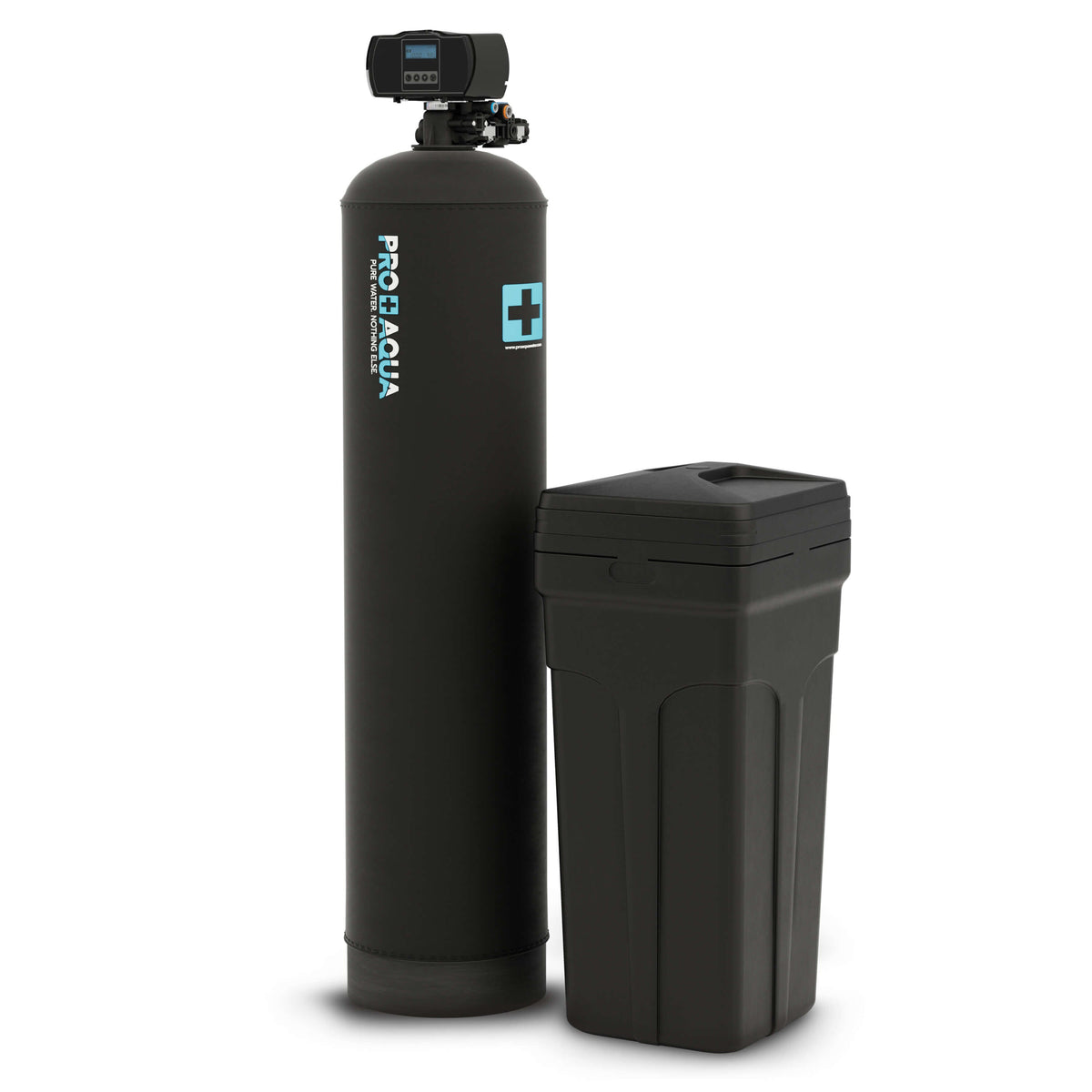
At Pro+Aqua, every water softener we ship includes a bypass valve as a standard part of the setup, along with fittings and hoses designed to make installation and future maintenance straightforward. As a water softener company built on real household needs, we back our systems with clear documentation, responsive support, and warranties that give you peace of mind long after installation day.
If you're setting up a new system or troubleshooting an older one, our team is ready to help you understand every part, including the small ones like your bypass valve, that keep your water running smoothly for years. Explore our Pro+Soft water softener lineup today and get a system built to last, backed by people who stand behind it.


Leave a comment
This site is protected by hCaptcha and the hCaptcha Privacy Policy and Terms of Service apply.